
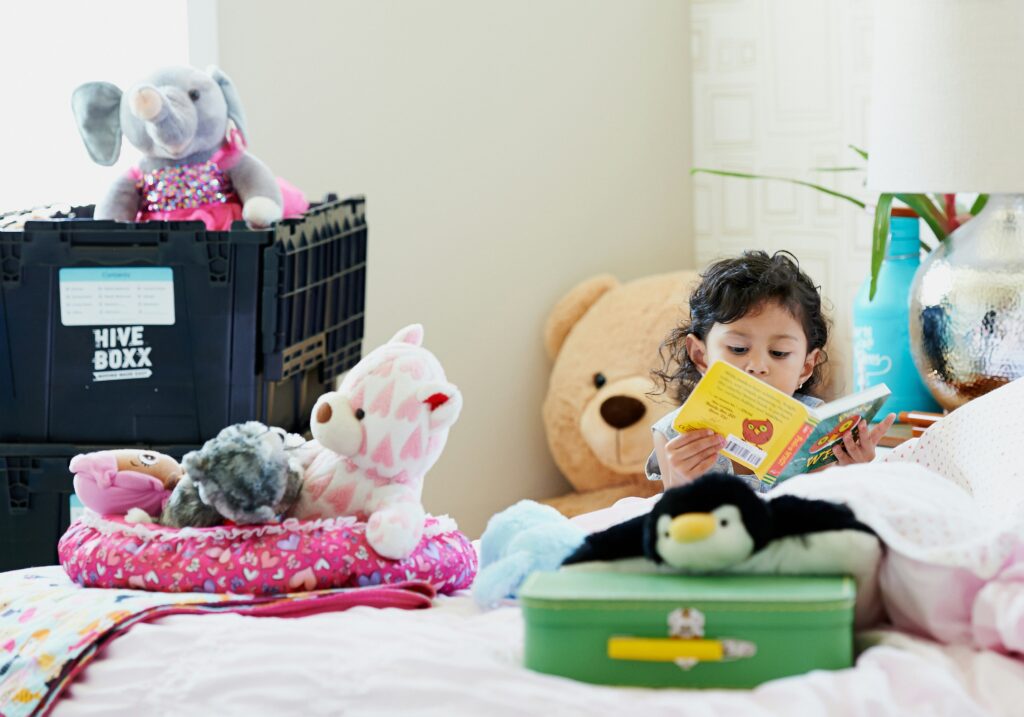
As parents and caregivers, we often want to give children the best opportunities to learn, explore, and grow. While no toy can replace meaningful interactions, play remains one of the most important ways children develop cognitive, language, social, and problem-solving skills.
The good news is that many toys designed for play can also support learning. From puzzles to building sets, the right toys can encourage children to think creatively, solve problems, and develop important skills that will benefit them throughout life.
Here are 10 types of toys that can support cognitive development in children.
1. Building Blocks and Construction Sets
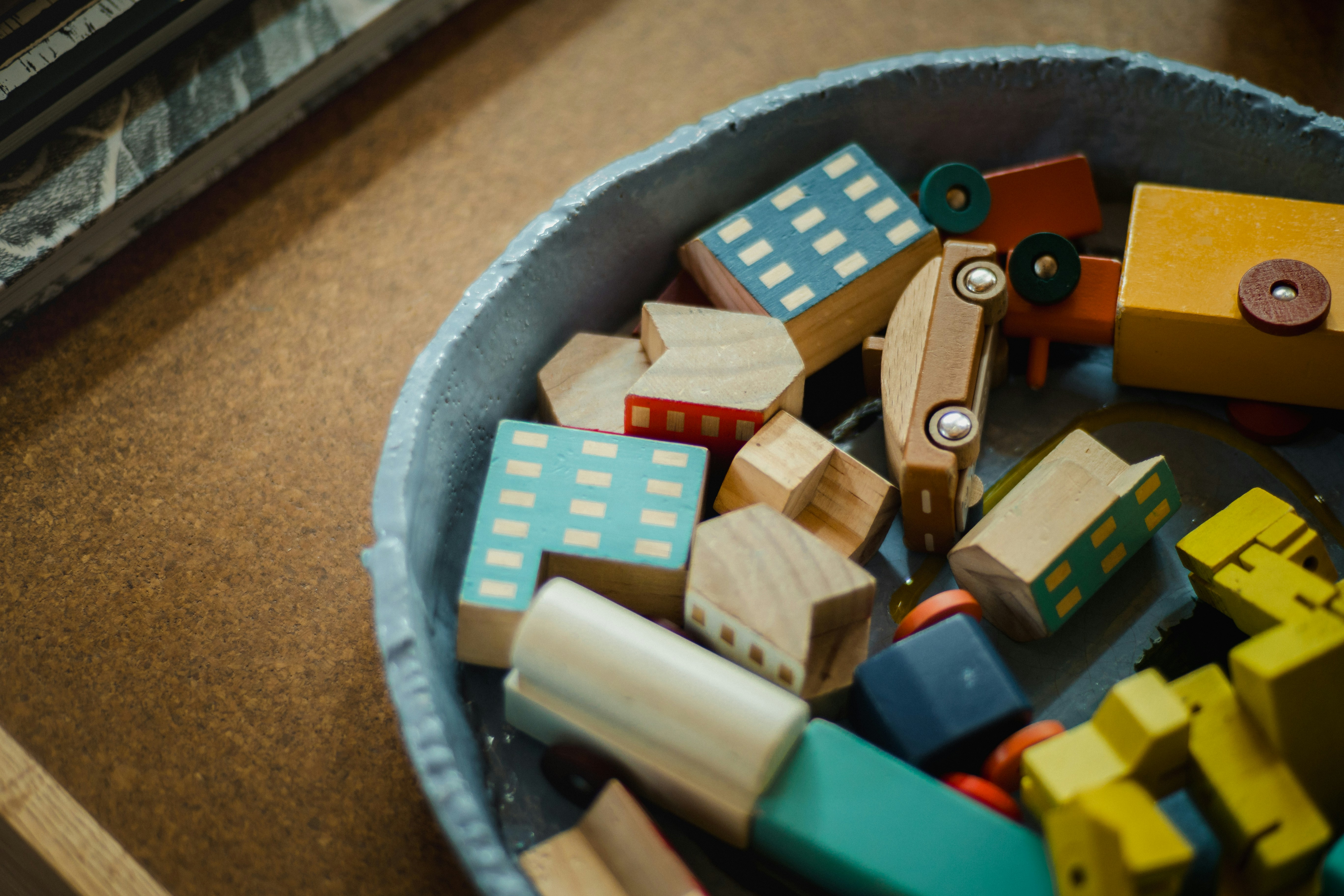
Building toys encourage children to experiment, create, and problem-solve.
As children stack, connect, and balance pieces, they learn about:
- Spatial awareness
- Cause and effect
- Planning
- Creativity
Popular examples include wooden blocks, magnetic tiles, and interlocking brick sets.
Why we like them: Building toys can grow with a child and offer endless opportunities for imaginative play.
2. Jigsaw Puzzles
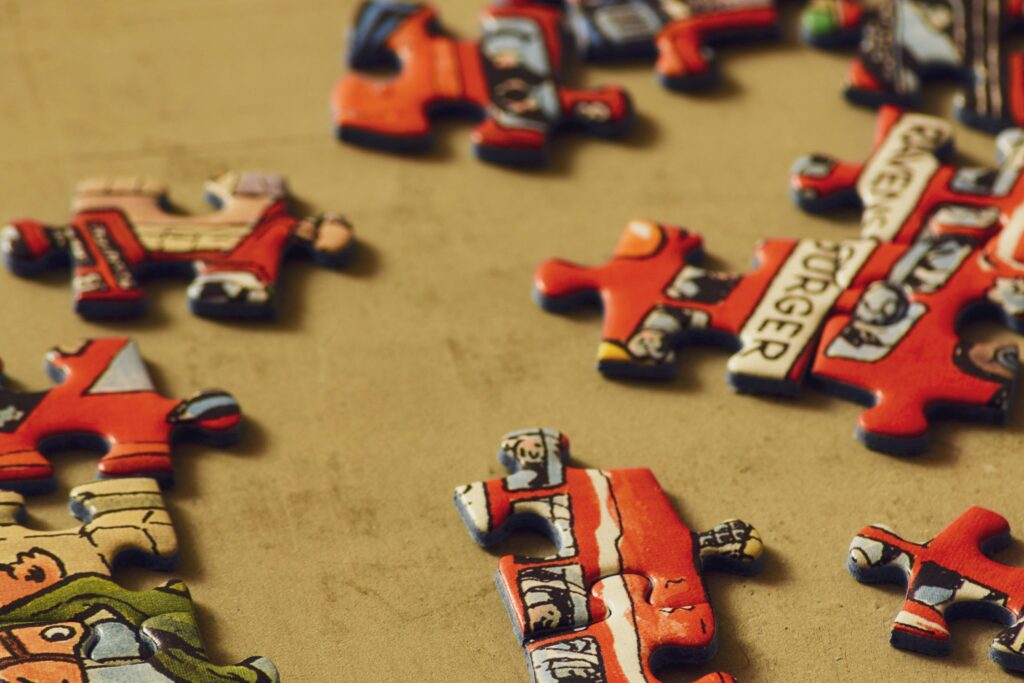
Puzzles are a classic toy that helps children develop:
- Visual perception
- Problem-solving skills
- Attention and concentration
- Patience
For younger children, start with large-piece puzzles. As their skills improve, gradually increase the complexity.
Why we like them: Puzzles encourage children to persist and think critically while having fun.
3. Shape Sorters
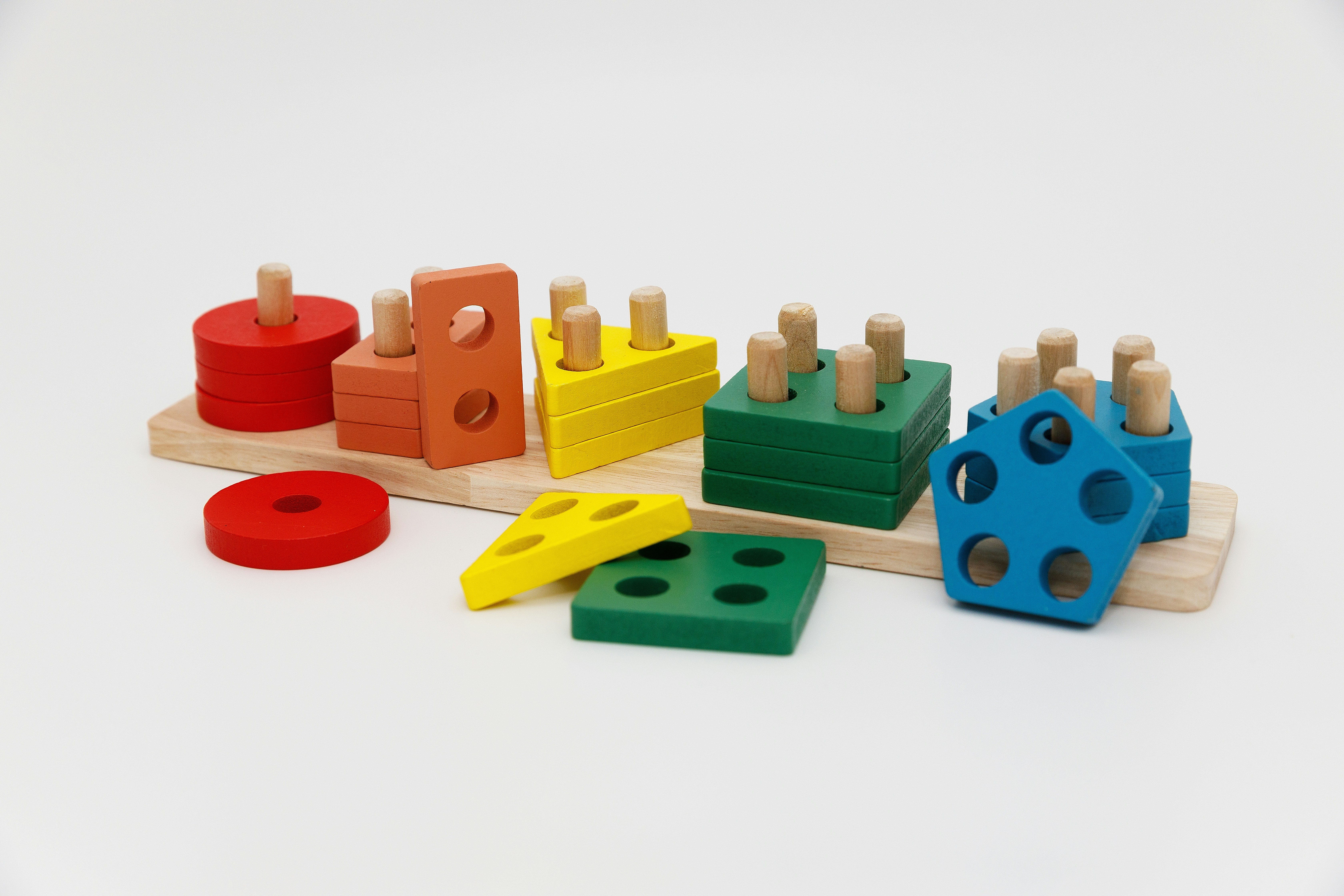
Shape sorters are often among a child’s first problem-solving toys.
Children learn:
- Shape recognition
- Categorisation
- Hand-eye coordination
- Cause and effect
These toys are particularly suitable for toddlers who are beginning to explore how objects fit together.
4. Memory Matching Games
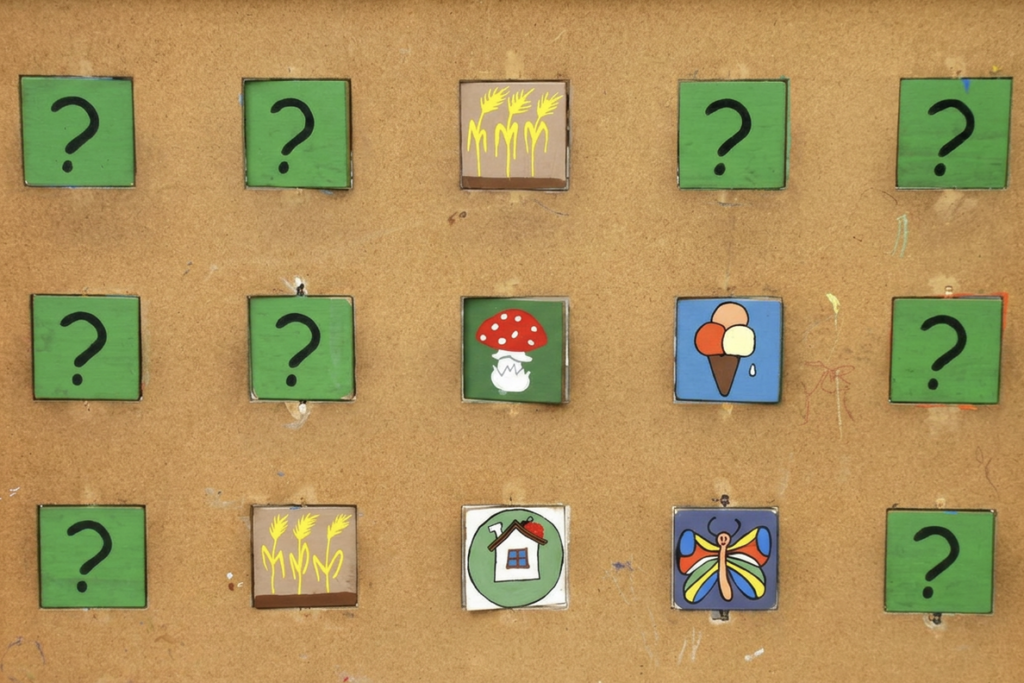
Matching games challenge children to remember the location of cards or pictures.
These games can support:
- Working memory
- Visual discrimination
- Attention
- Turn-taking skills
Many themed matching games are available, featuring animals, vehicles, foods, or letters.
5. Magnetic Tiles
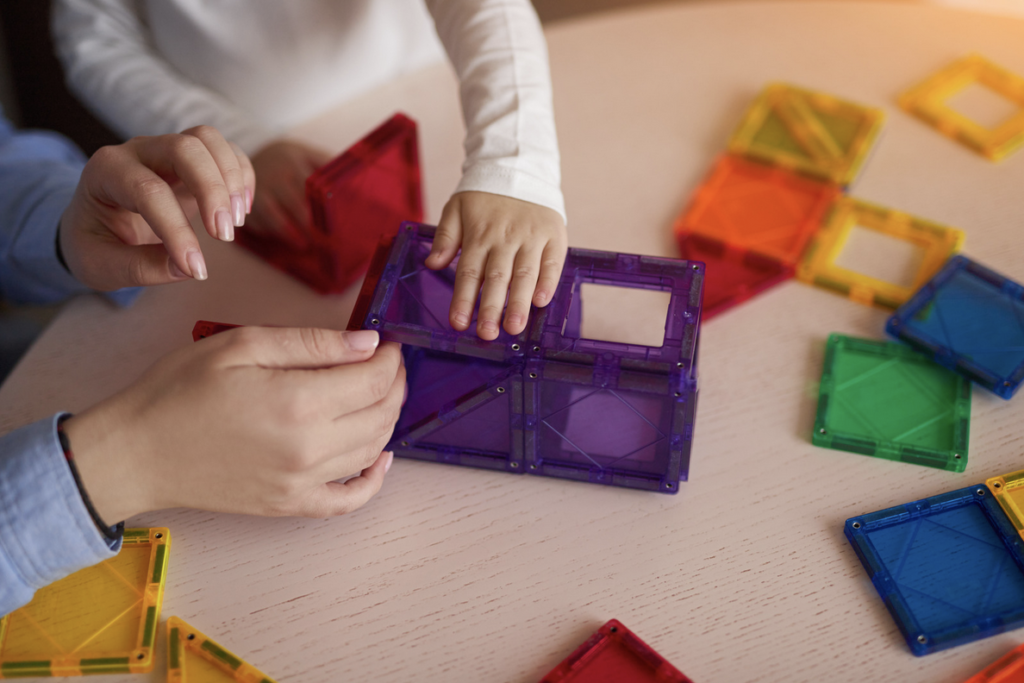
Magnetic building tiles have become increasingly popular among families.
Children can:
- Build structures
- Explore geometry
- Experiment with balance and design
These toys encourage open-ended play while developing spatial reasoning and creativity.
Why we like them: There is no single “correct” way to play, which encourages exploration and innovation.
6. Pretend Play Toys
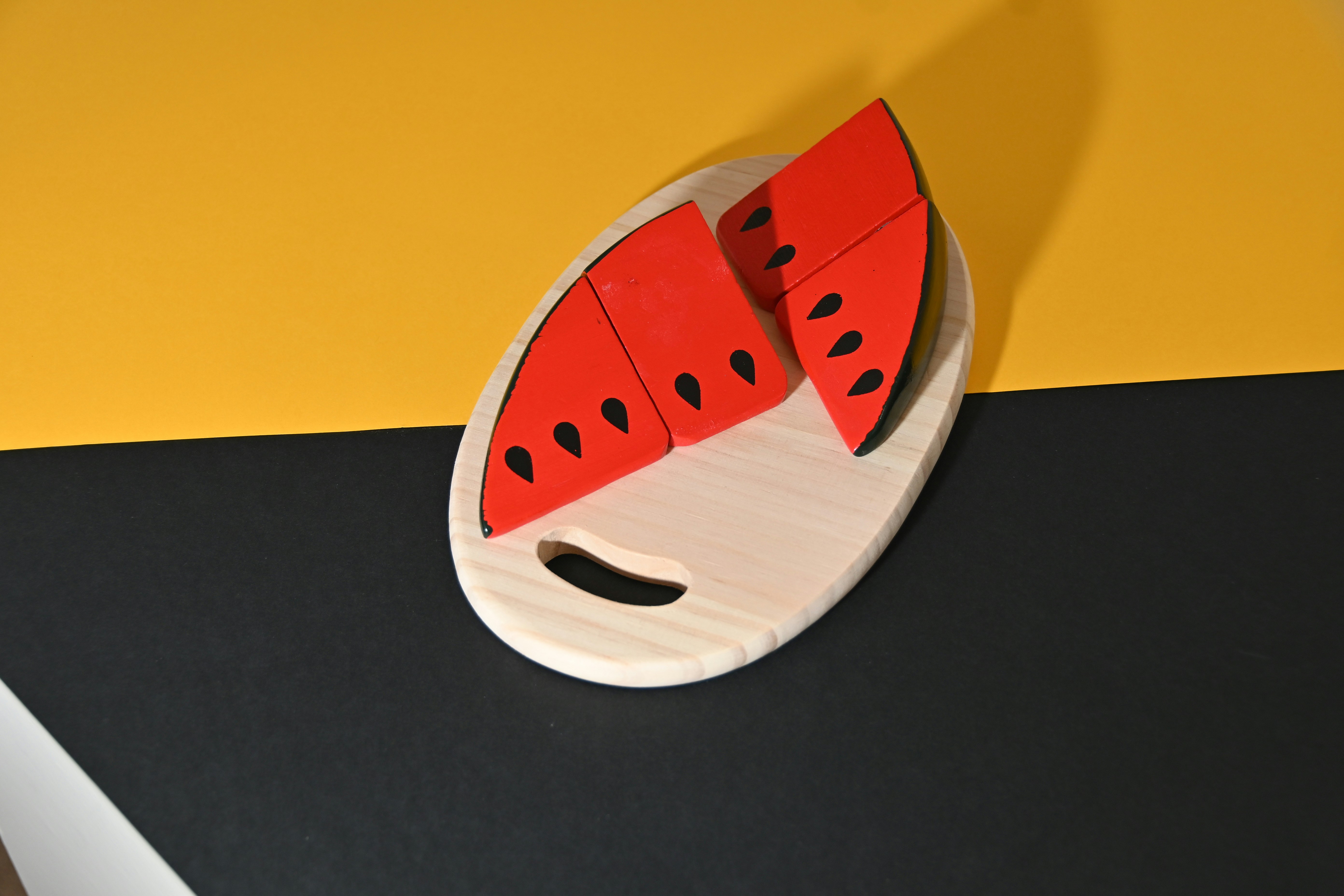
Play kitchens, tool sets, cash registers, and doctor kits allow children to explore everyday roles through imaginative play.
Pretend play can support:
- Language development
- Social skills
- Problem-solving
- Sequencing skills
Children often learn best when they can act out real-life situations. A Wooden Play Tool Workbench Set can teach in a safe and fun way the use of tools like screwdrivers and hammers.
7. Pattern and Sequencing Games
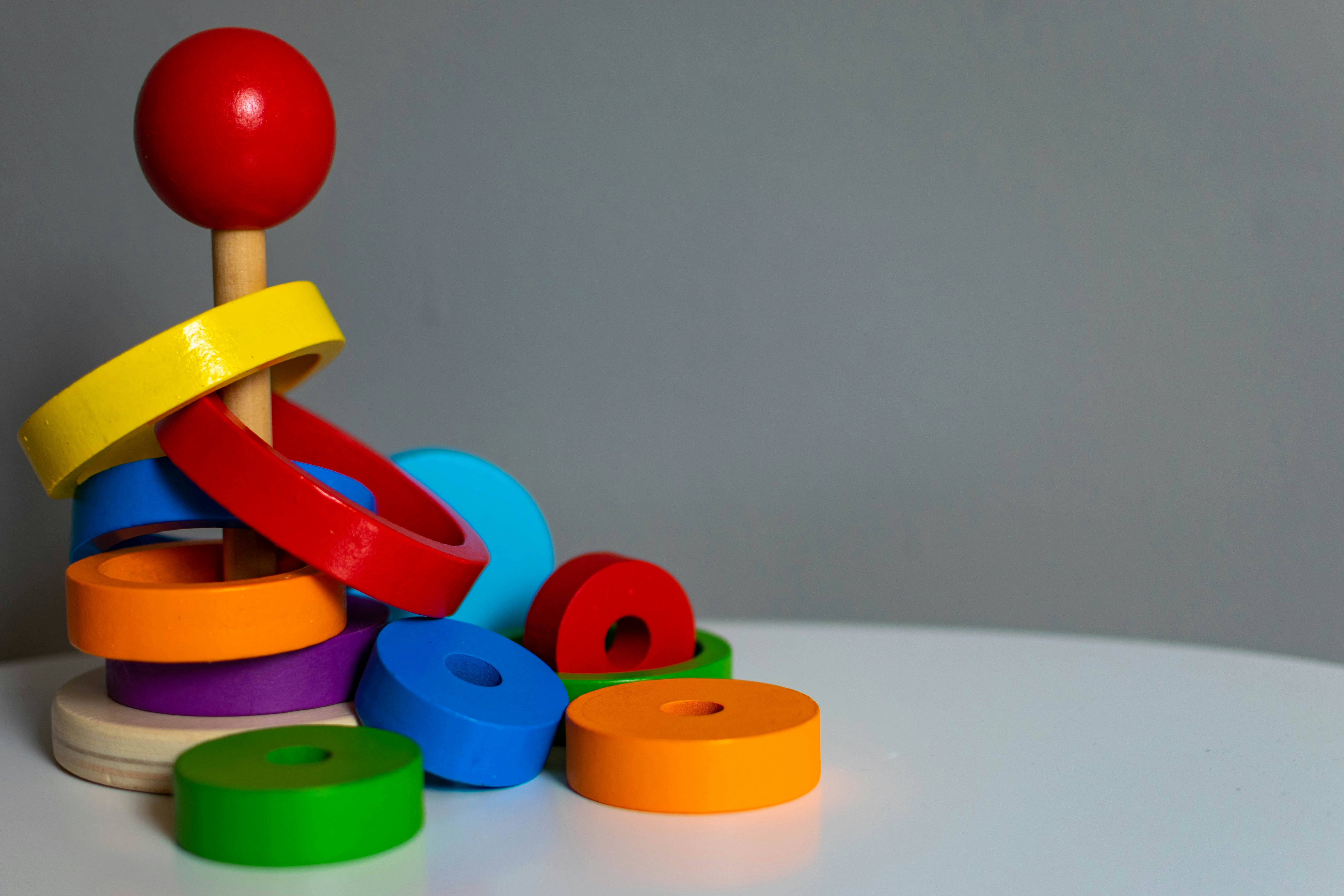
Pattern blocks, peg boards, and sequencing activities encourage children to recognise relationships and predict what comes next.
Skills supported include:
- Logical thinking
- Visual processing
- Early mathematics concepts
- Planning
These activities can often be adapted to suit different ages and abilities.
8. STEM Learning Toys
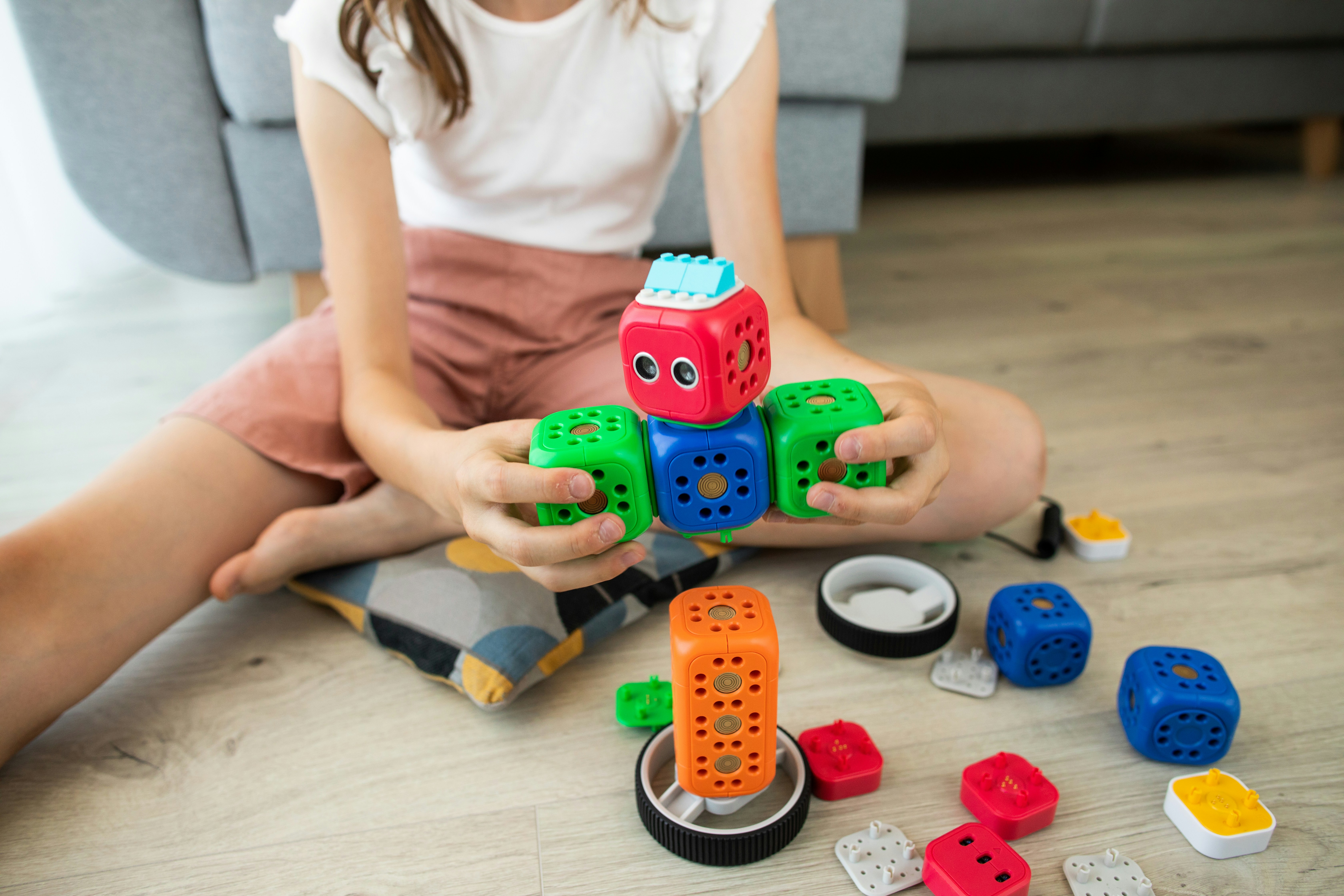
STEM (Science, Technology, Engineering, and Mathematics) toys introduce children to basic concepts through hands-on exploration.
Examples include:
These toys encourage curiosity and experimentation.
Why we like them: They make learning feel like play. You can consider the chemistry set by National Geographic, or a build-your-own radio kit.
9. Board Games
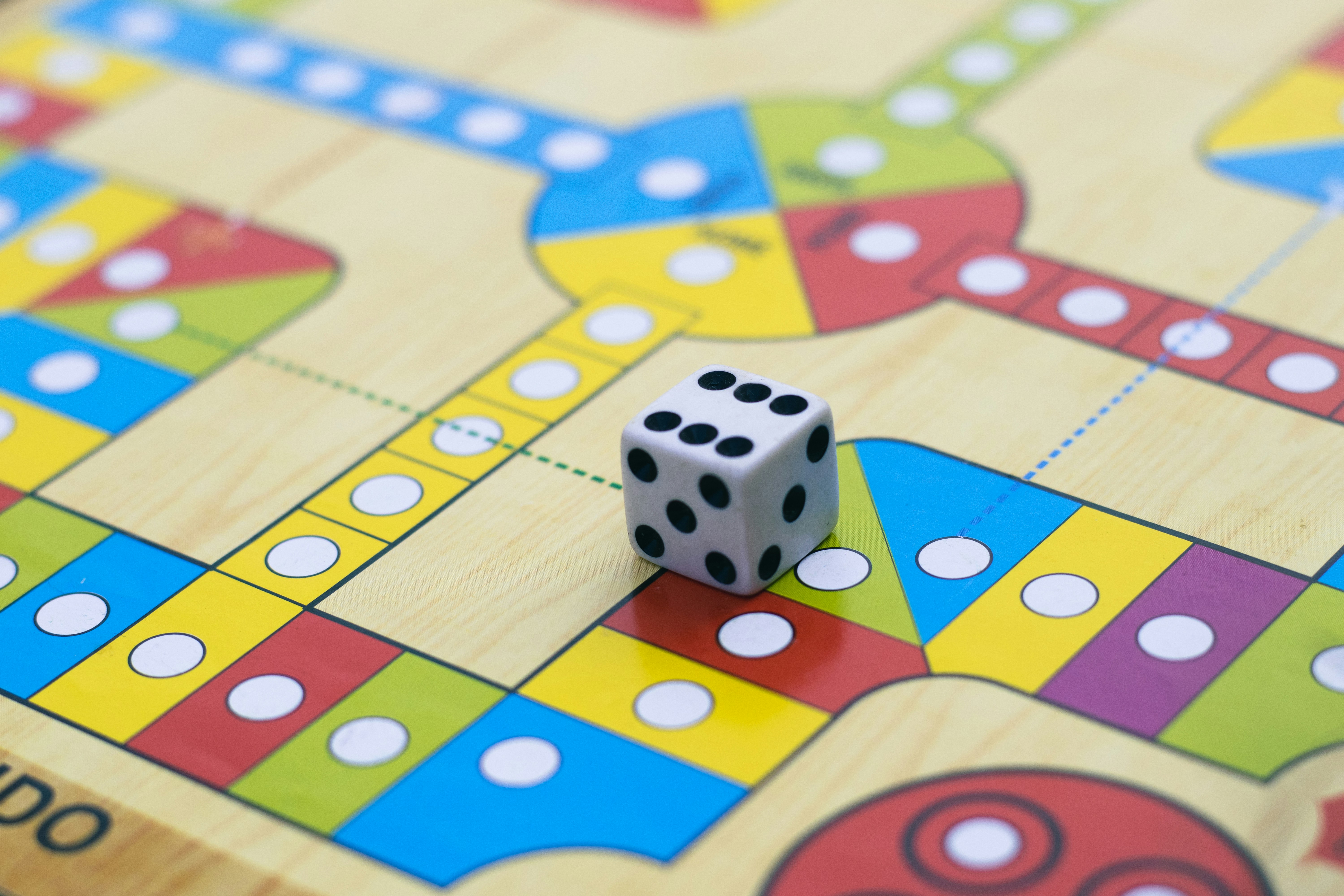
Many family-friendly board games help children develop:
- Attention
- Strategic thinking
- Memory
- Turn-taking
- Emotional regulation
Choose age-appropriate games and focus on enjoying the experience together rather than winning.
10. Art and Craft Sets
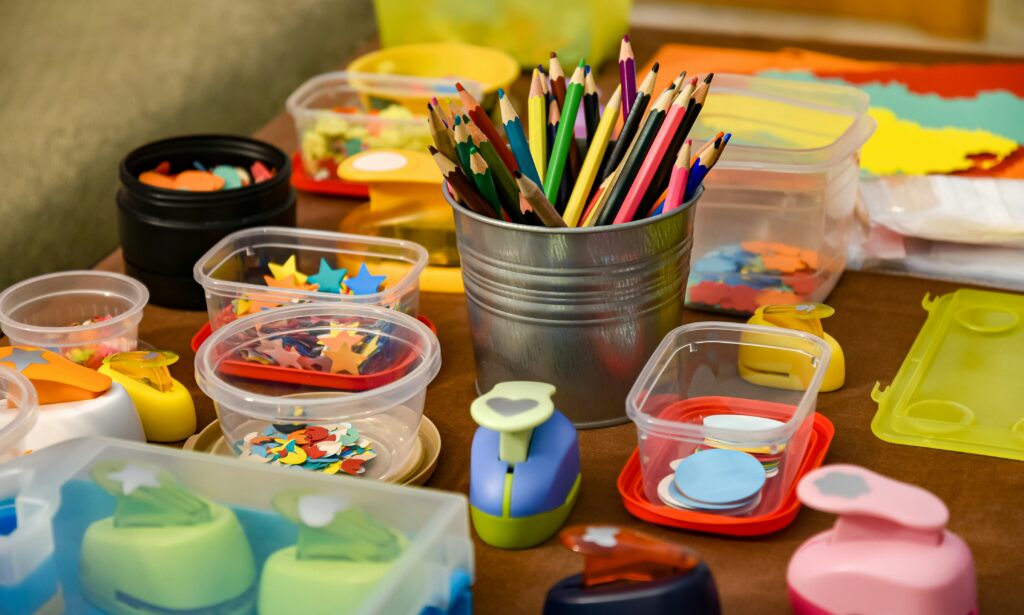
Creative activities encourage children to make choices, experiment, and express themselves.
Art materials can support:
- Fine motor skills
- Creativity
- Planning
- Problem-solving
Simple supplies such as crayons, markers, stickers, and craft materials can provide hours of meaningful play. A large craft set can provide hours of artistic exploration.
Choosing the Right Toy
When selecting toys for children, remember that the most expensive toy is not always the most beneficial.
Look for toys that:
- Encourage active participation
- Allow for creativity and imagination
- Can be used in different ways
- Match the child’s interests and developmental stage
- Promote interaction with others
Most importantly, remember that children learn best through meaningful play and positive interactions with caregivers.
A simple toy, combined with curiosity, encouragement, and shared play experiences, can go a long way in supporting a child’s development.
Final Thoughts
Toys can be more than entertainment—they can provide opportunities for children to explore, learn, and develop important cognitive skills through play.
Whether it’s a set of building blocks, a memory game, or a simple puzzle, the right toy can encourage creativity, problem-solving, and a lifelong love of learning.
Affiliate Disclosure
Some links in this article may be affiliate links. If you choose to purchase through these links, SG Rehab may receive a small commission at no additional cost to you. These commissions help support the creation of free resources and educational content for our community.