
10 Toys That Support Cognitive Development in Children

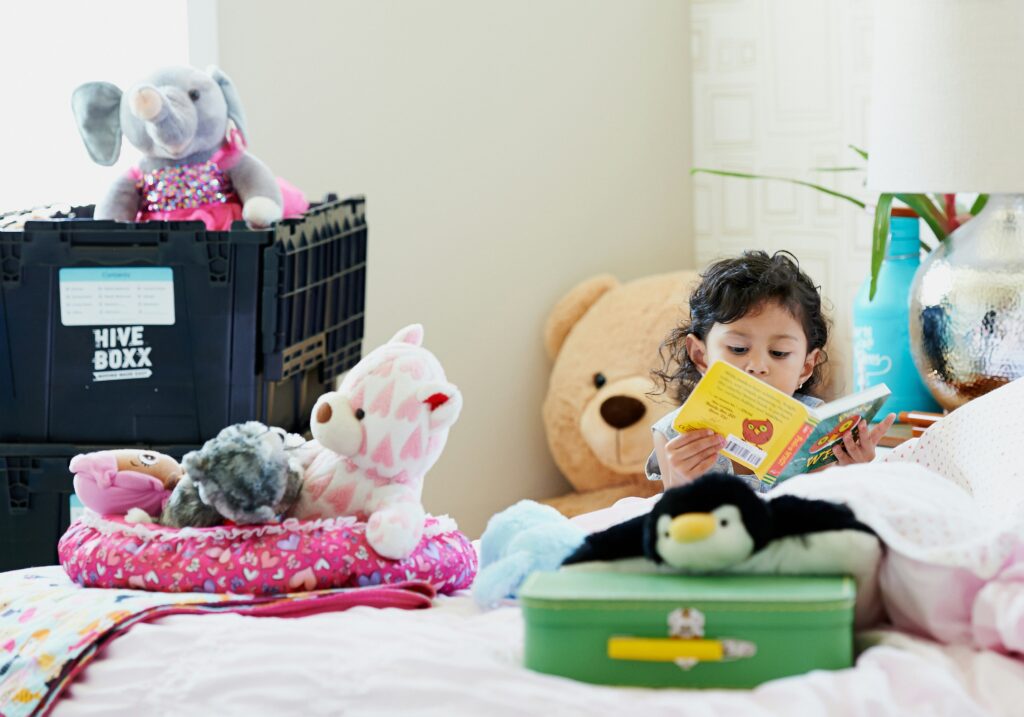
Image showing a girl on a bed reading a children's book, surrounded by stuffed toys

As parents and caregivers, we often want to give children the best opportunities to learn, explore, and grow. While no toy can replace meaningful interactions, play remains one of the most important ways children develop cognitive, language, social, and problem-solving skills.

The good news is that many toys designed for play can also support learning. From puzzles to building sets, the right toys can encourage children to think creatively, solve problems, and develop important skills that will benefit them throughout life.

Here are 10 types of toys that can support cognitive development in children.


1. Building Blocks and Construction Sets

Image showing wooden blocks and wooden vehicle toys

Building toys encourage children to experiment, create, and problem-solve.

As children stack, connect, and balance pieces, they learn about:

  • Spatial awareness
  • Cause and effect
  • Planning
  • Creativity

Popular examples include wooden blocks, magnetic tiles, and interlocking brick sets.

Why we like them: Building toys can grow with a child and offer endless opportunities for imaginative play.


2. Jigsaw Puzzles

Close up of jigsaw puzzle for children

Puzzles are a classic toy that helps children develop:

  • Visual perception
  • Problem-solving skills
  • Attention and concentration
  • Patience

For younger children, start with large-piece puzzles. As their skills improve, gradually increase the complexity.

Why we like them: Puzzles encourage children to persist and think critically while having fun.


3. Shape Sorters
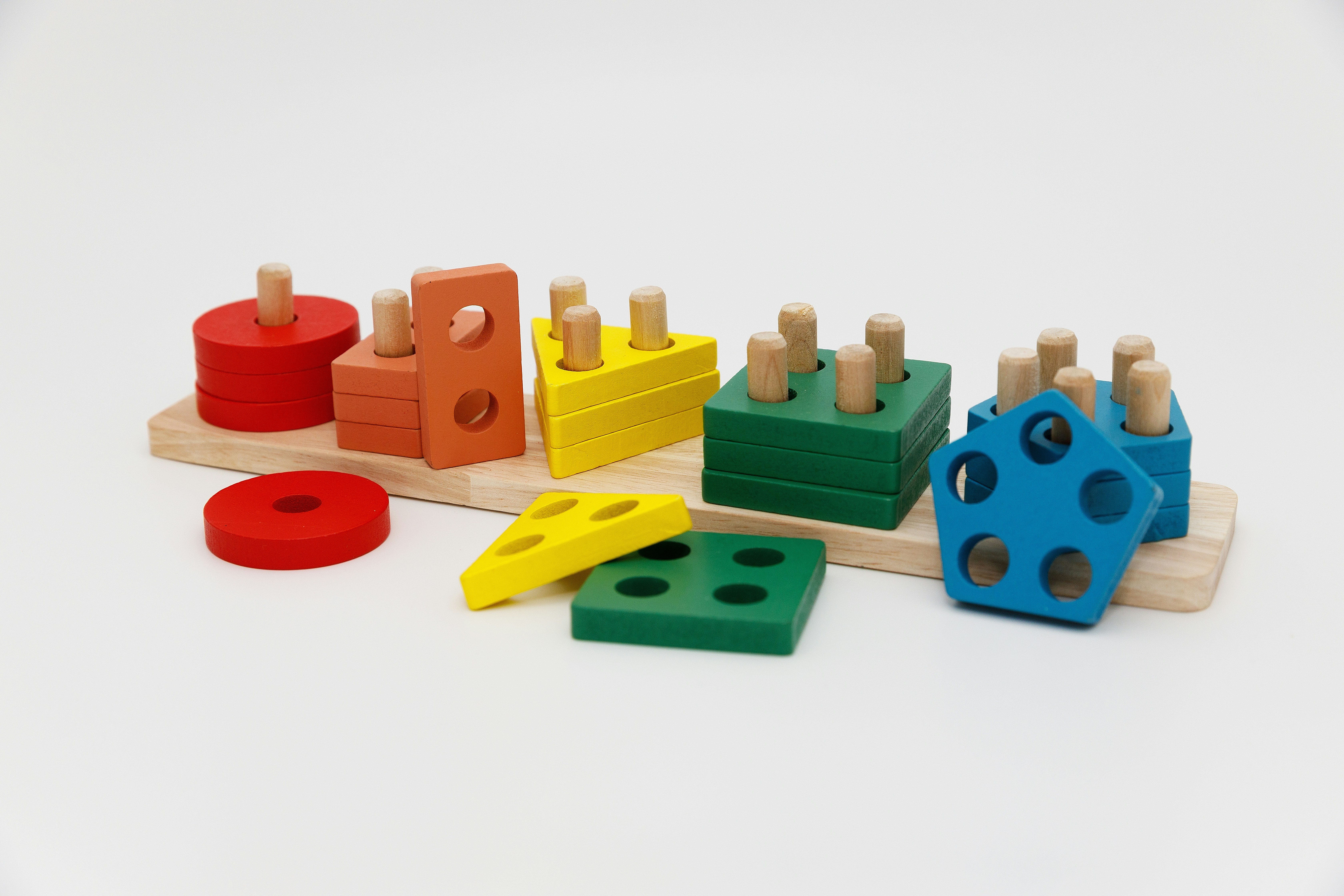
Image of wooden toy shapes sorted into correct columns

Shape sorters are often among a child’s first problem-solving toys.

Children learn:

  • Shape recognition
  • Categorisation
  • Hand-eye coordination
  • Cause and effect

These toys are particularly suitable for toddlers who are beginning to explore how objects fit together.


4. Memory Matching Games
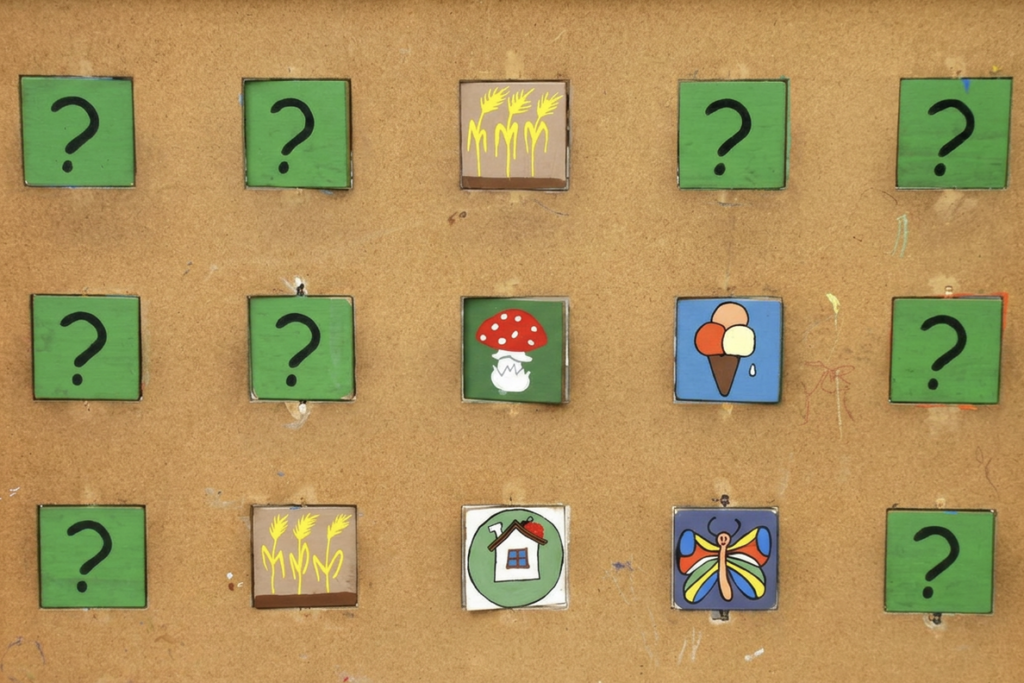
Image of memory game that requires the player to match two tiles at a time

Matching games challenge children to remember the location of cards or pictures.

These games can support:

  • Working memory
  • Visual discrimination
  • Attention
  • Turn-taking skills

Many themed matching games are available, featuring animals, vehicles, foods, or letters.


5. Magnetic Tiles
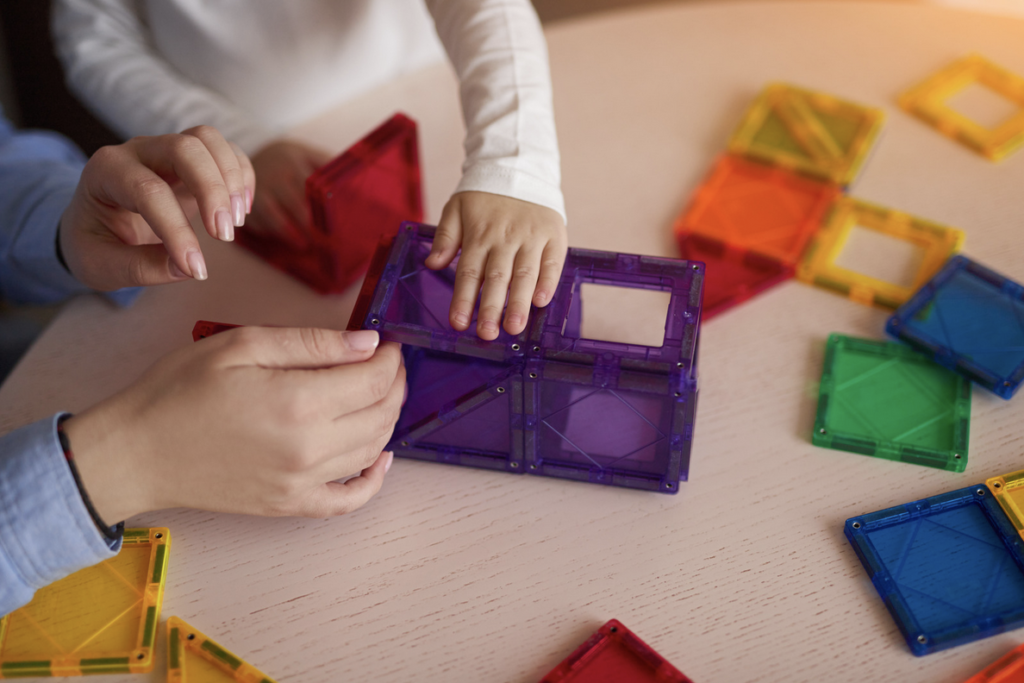
Image of parent and child playing with magnetic tiles, building a rectangular structure.

Magnetic building tiles have become increasingly popular among families.

Children can:

  • Build structures
  • Explore geometry
  • Experiment with balance and design

These toys encourage open-ended play while developing spatial reasoning and creativity.

Why we like them: There is no single “correct” way to play, which encourages exploration and innovation.


6. Pretend Play Toys
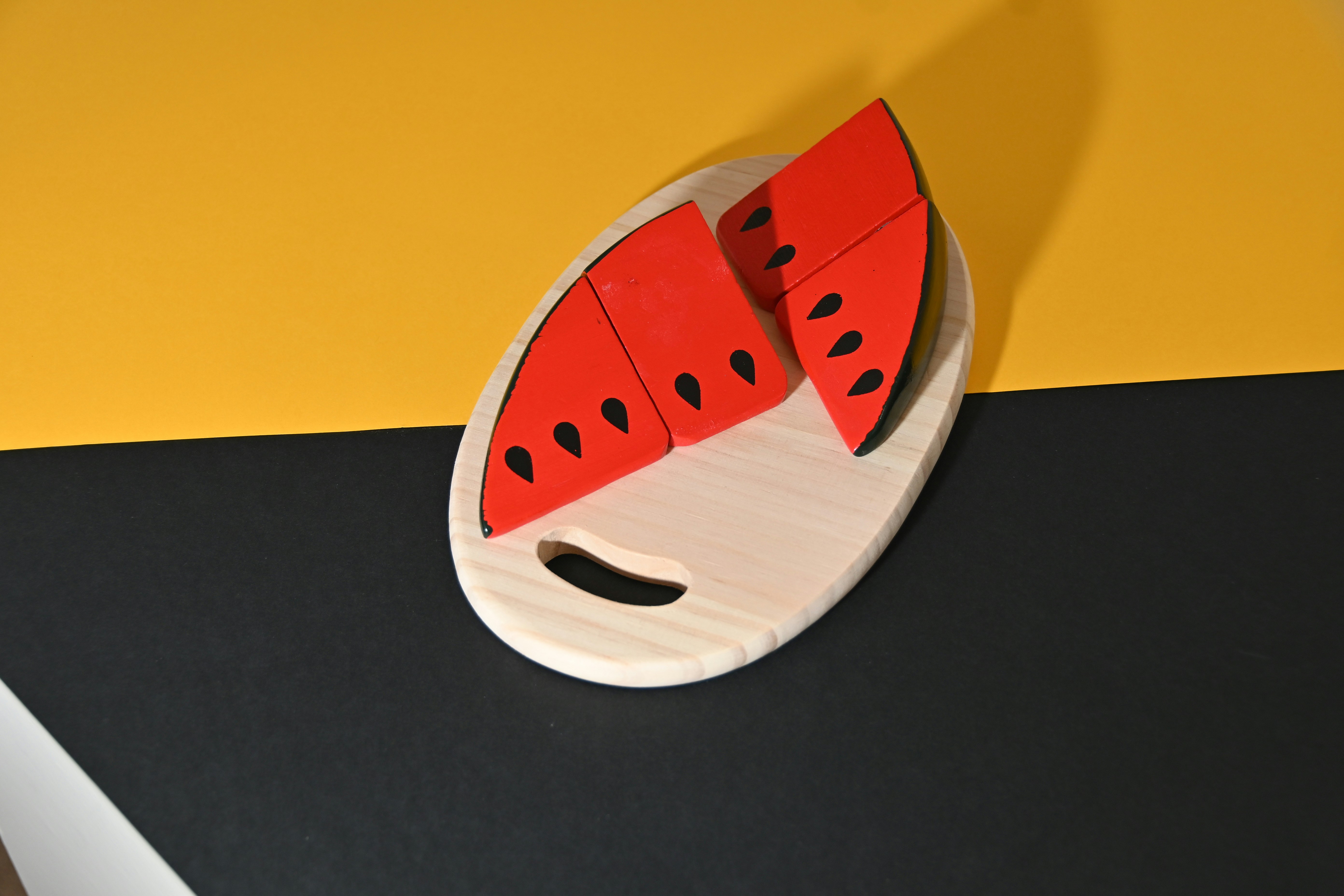
Image of wooden watermelon on a wooden chopping board

Play kitchens, tool sets, cash registers, and doctor kits allow children to explore everyday roles through imaginative play.

Pretend play can support:

  • Language development
  • Social skills
  • Problem-solving
  • Sequencing skills

Children often learn best when they can act out real-life situations. A Wooden Play Tool Workbench Set can teach in a safe and fun way the use of tools like screwdrivers and hammers.


7. Pattern and Sequencing Games

Wooden toy sequencing game where the player has to stack largest to smallest circles in order

Pattern blocks, peg boards, and sequencing activities encourage children to recognise relationships and predict what comes next.

Skills supported include:

  • Logical thinking
  • Visual processing
  • Early mathematics concepts
  • Planning

These activities can often be adapted to suit different ages and abilities.


8. STEM Learning Toys
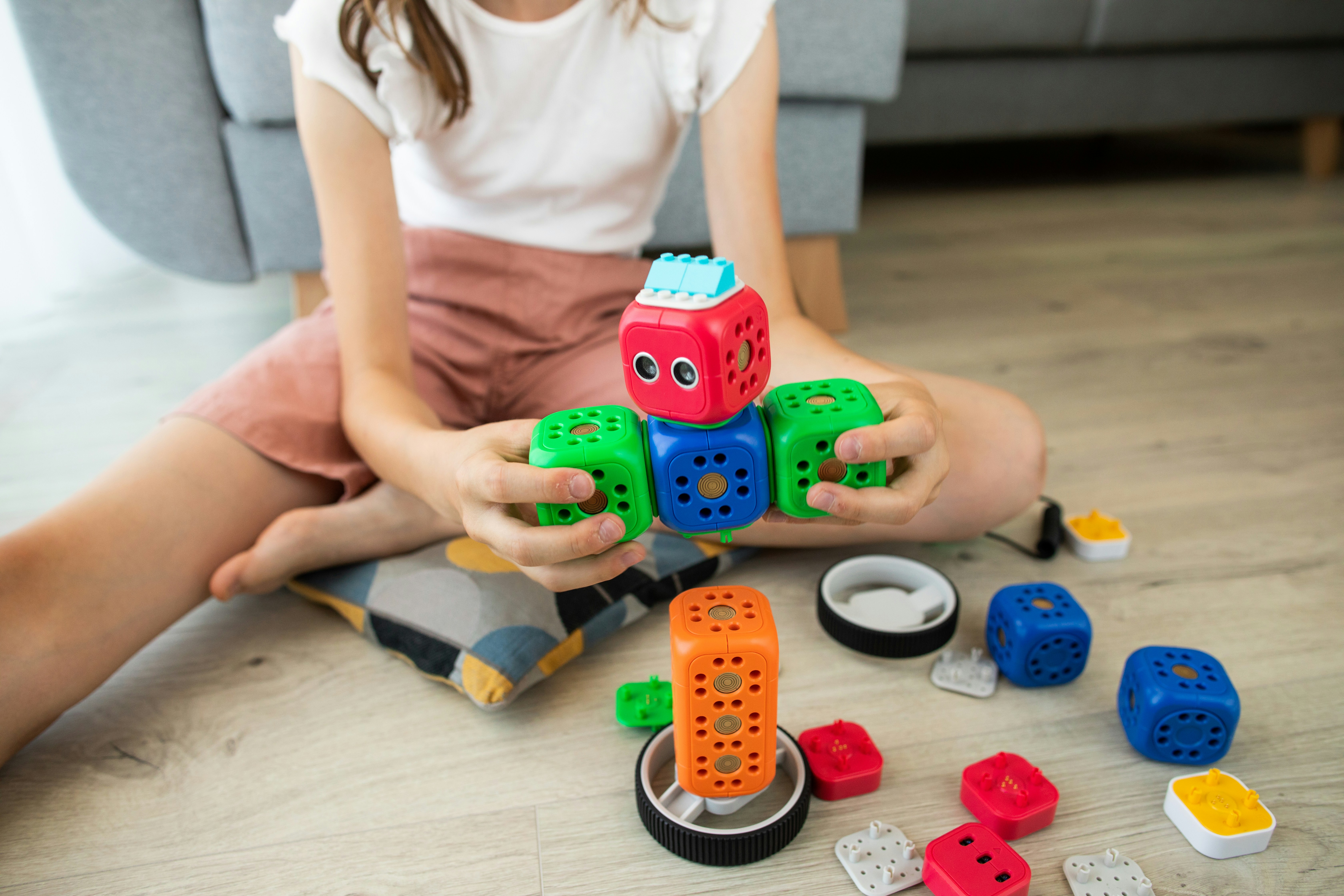
Image of young girl playing with a robot game

STEM (Science, Technology, Engineering, and Mathematics) toys introduce children to basic concepts through hands-on exploration.

Examples include:

These toys encourage curiosity and experimentation.

Why we like them: They make learning feel like play. You can consider the chemistry set by National Geographic, or a build-your-own radio kit.


9. Board Games
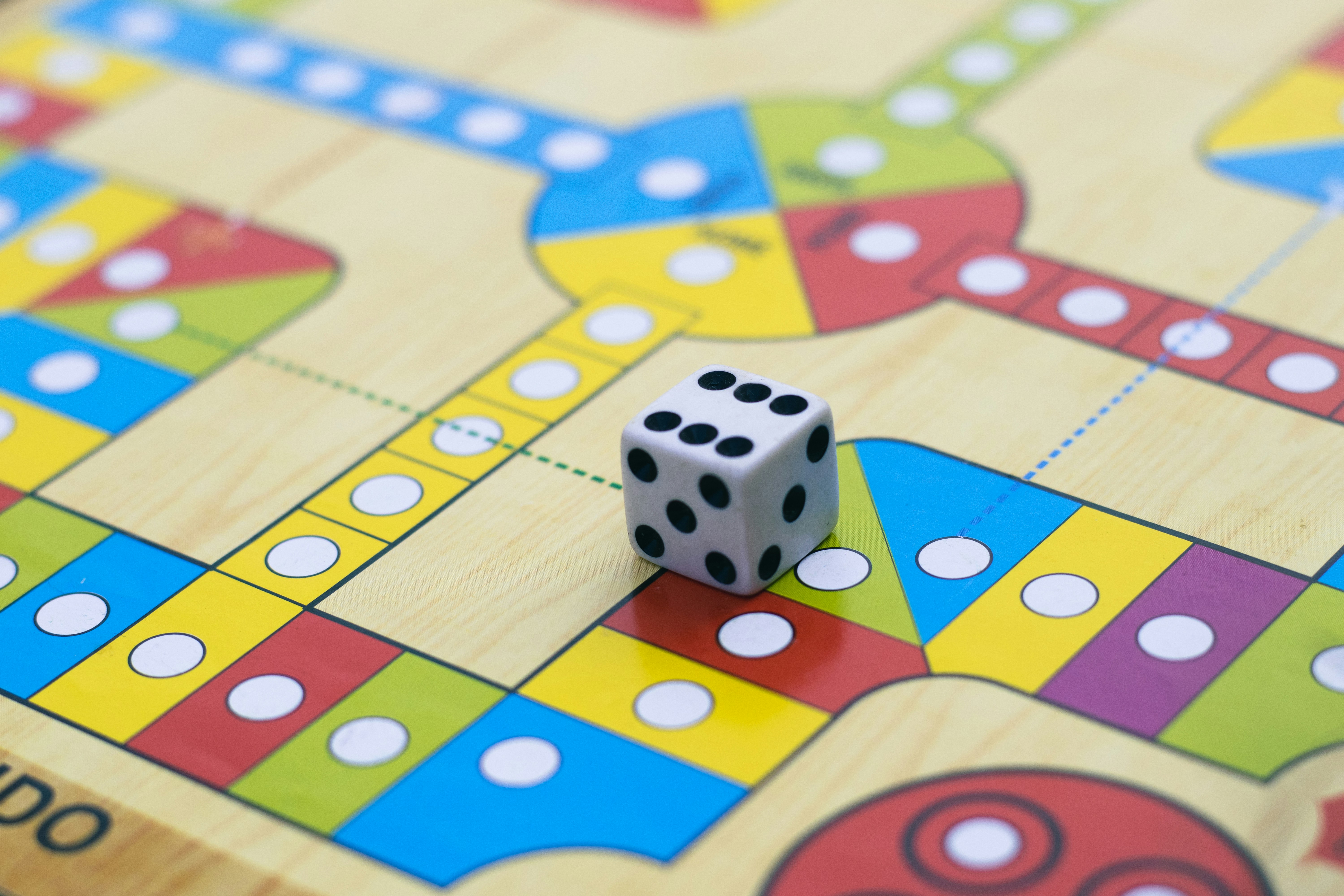
Close up of a board game with a six-sided dice

Many family-friendly board games help children develop:

  • Attention
  • Strategic thinking
  • Memory
  • Turn-taking
  • Emotional regulation

Choose age-appropriate games and focus on enjoying the experience together rather than winning.


10. Art and Craft Sets
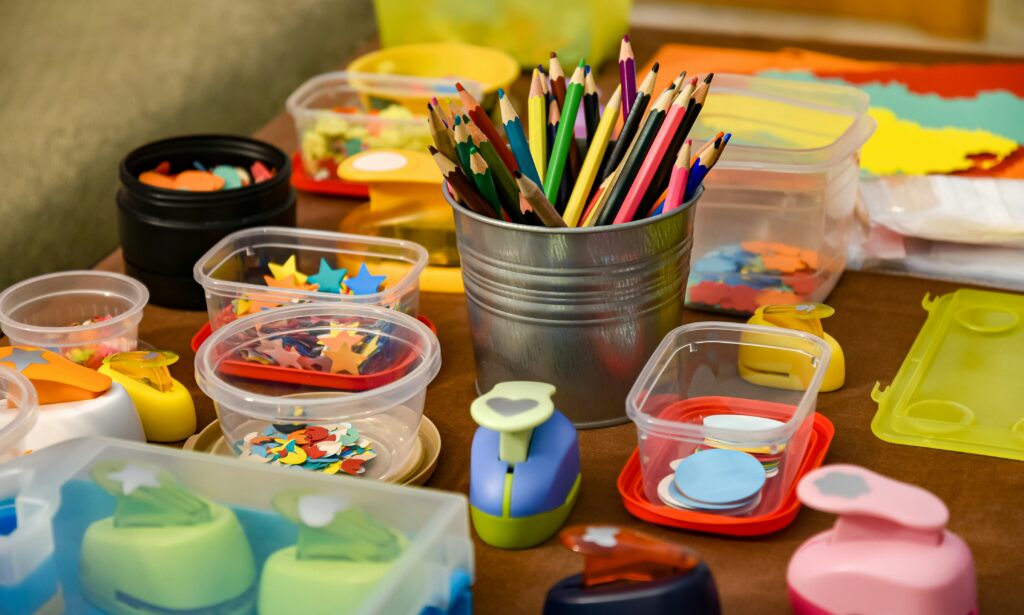
Image of craft materials on a table, such as colour pencils and shape punch tools

Creative activities encourage children to make choices, experiment, and express themselves.

Art materials can support:

  • Fine motor skills
  • Creativity
  • Planning
  • Problem-solving

Simple supplies such as crayons, markers, stickers, and craft materials can provide hours of meaningful play. A large craft set can provide hours of artistic exploration.


Choosing the Right Toy

Image of wooden toy animals and alphabets in the sunlight

When selecting toys for children, remember that the most expensive toy is not always the most beneficial.

Look for toys that:

  • Encourage active participation
  • Allow for creativity and imagination
  • Can be used in different ways
  • Match the child’s interests and developmental stage
  • Promote interaction with others

Most importantly, remember that children learn best through meaningful play and positive interactions with caregivers.

A simple toy, combined with curiosity, encouragement, and shared play experiences, can go a long way in supporting a child’s development.


Final Thoughts

Toys can be more than entertainment—they can provide opportunities for children to explore, learn, and develop important cognitive skills through play.

Whether it’s a set of building blocks, a memory game, or a simple puzzle, the right toy can encourage creativity, problem-solving, and a lifelong love of learning.

Affiliate Disclosure

Some links in this article may be affiliate links. If you choose to purchase through these links, SG Rehab may receive a small commission at no additional cost to you. These commissions help support the creation of free resources and educational content for our community.

Resources for Dementia Care in Singapore: A Practical Guide for Caregivers

Image of hands around a senior's hands holding a small bunch of white and yellow flowers, symbolising care and support

Caring for a loved one with dementia can be rewarding, but it can also feel overwhelming at times. Whether you are a family caregiver, domestic helper, or someone supporting an older adult living with dementia, knowing where to find reliable resources can make a significant difference.

Fortunately, Singapore offers a range of services, support groups, educational resources, and products that can help caregivers navigate the journey with greater confidence.

In this article, we explore some useful dementia care resources available in Singapore.

1. Dementia Singapore

Dementia Singapore is one of the leading organisations supporting people living with dementia and their caregivers.

They offer:

  • Caregiver support programmes
  • Educational workshops
  • Dementia-friendly community initiatives
  • Day care and care services
  • Resources and information on dementia

If you are new to dementia caregiving, their website is often a good starting point for learning about the condition and available support services.


2. Agency for Integrated Care (AIC)

The Agency for Integrated Care (AIC) serves as a central resource for caregivers seeking information on community care services.

Through AIC, caregivers can explore:

  • Home care services
  • Day care centres
  • Dementia care services
  • Financial assistance schemes
  • Caregiver support programmes
  • Community resources

AIC’s Care Services Portal can also help families locate services near their homes. Downloadable resources include Nature In Everyday Life Toolkit, as well as Activity Booklets.

AIC also has a dedicated hub for dementia support created in collaboration with Dementia Singapore, in support of the Dementia-Friendly Singapore (DFSG) movement. At Dementia Hub, caregivers can access e-guides, useful articles, events, and educational videos.


3. Community and Day Care Programmes

Many seniors with dementia benefit from structured daytime activities and social interaction.

Depending on the individual’s needs, caregivers may consider:

  • Dementia day care centres
  • Senior care centres
  • Active ageing centres
  • Community-based programmes

These programmes can provide meaningful engagement for seniors while giving caregivers some respite during the day. An example of a dementia day care centre would be Dementia Day Care by Sunlove. You may locate day care service providers around Singapore at this page on the AIC website.


4. Caregiver Support Groups

One of the most valuable resources for caregivers is connecting with others who are going through similar experiences.

Support groups can offer:

  • Emotional support
  • Practical caregiving tips
  • Shared experiences
  • Recommendations for services and products

Many organisations in Singapore host regular caregiver support sessions, both in-person and online. You may find out more about support groups at the Dementia Hub.


5. Meaningful Activities at Home

Engagement remains important throughout the dementia journey.

Simple activities can help promote:

  • Social interaction
  • Cognitive stimulation
  • Emotional well-being
  • A sense of purpose

Examples include:

  • Looking through family photo albums
  • Listening to familiar music
  • Folding laundry
  • Sorting household objects
  • Reminiscence conversations
  • Simple games and puzzles
  • Gardening activities

The key is to focus on enjoyment and participation rather than performance.


6. Dementia-Friendly Products

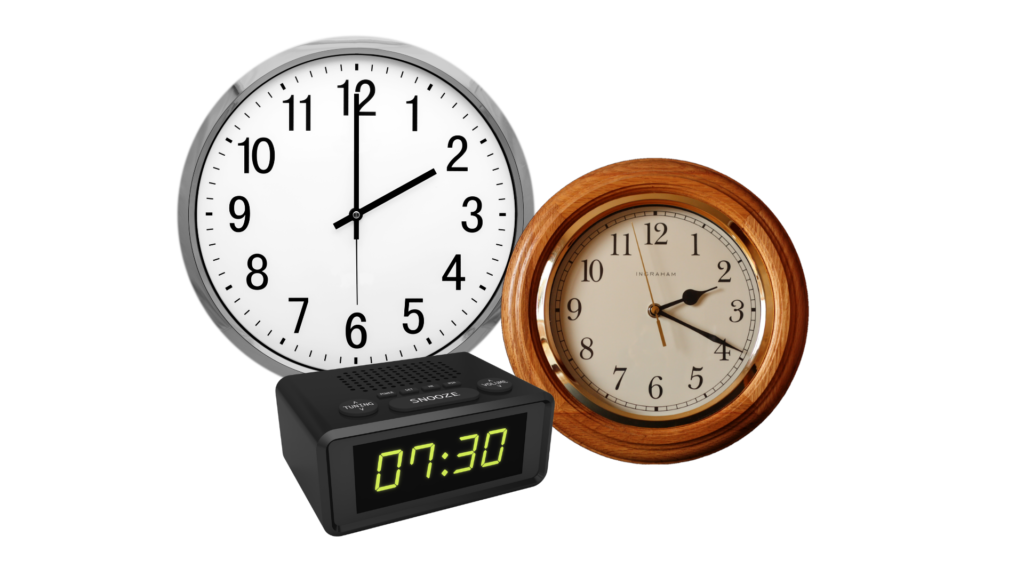
Clocks that are elderly-friendly, with large numbers and high contrast.

Certain products can help make daily life safer and more manageable for both caregivers and seniors.

Examples include:

Large Display Calendar Clocks

These clocks display the time, date, and day clearly, helping with orientation.

Medication Organisers

Useful for organising medications and supporting daily routines.

Motion Sensor Night Lights

Can improve visibility during night-time bathroom trips.

Memory Books and Reminiscence Albums

Photo books and memory prompts can encourage conversation and meaningful engagement.

Easy-to-Use Music Players

Music often remains meaningful even when memory declines, making music players a valuable engagement tool.

Tip: Before purchasing any product, consider the individual’s preferences, abilities, and stage of dementia.


7. Home Therapy Services

Some individuals living with dementia may benefit from professional support at home.

Depending on the person’s needs, home-based services may include:

  • Occupational therapy
  • Physiotherapy
  • Speech therapy
  • Nursing care

Therapists can help families identify strategies to support participation in daily activities, maintain independence, and create a safer home environment.


8. Educational Guides and Resources

Many caregivers find it helpful to keep practical resources on hand for activity ideas and caregiving support.

At SG Rehab, we have developed a growing collection of caregiver resources designed to provide practical, easy-to-follow guidance for families and caregivers supporting older adults at home.

These include:

  • Cognitive stimulation activities for dementia
  • Stroke rehabilitation activity guides
  • Caregiver resources for domestic helpers

Our goal is to create resources that are simple, practical, and relevant to Singapore’s caregiving context. There is also a wealth of information online. Digital books such as Navigating Life with Dementia can be borrowed from the National Library Board.

Physical books such as The 36-Hour Day: A Family Guide to Caring for People with Alzheimer Disease, Other Dementias, and Memory Loss, as well as The Complete Family Guide to Dementia: Everything You Need to Know to Help Your Parent and Yourself are both highly popular and well-written informative guides.


Final Thoughts

Dementia caregiving is not something anyone needs to navigate alone.

Singapore offers a growing network of services, support groups, educational resources, and community programmes to support both caregivers and the people they care for.

By building a support network and making use of available resources, caregivers can feel more confident, reduce stress, and focus on what matters most: creating meaningful moments with their loved ones.

Looking for More Caregiver Resources?

Explore SG Rehab’s collection of caregiver guides, activity resources, and practical tools designed to support seniors and caregivers at home.

Affiliate Disclosure: This article contains affiliate links. SG Rehab may earn a commission from qualifying purchases at no additional cost to you.

Welcome to the SG Rehab Articles Library

Accompanying picture for the introduction to SG Rehab Articles library. Featuring a small stack of books.

Thank you for visiting the SG Rehab Articles Library.

As we work with seniors, caregivers, families, and care organisations, we often come across useful products, meaningful activity ideas, practical resources, and simple ways to support older adults in their daily lives.

We created this space to share some of these discoveries with our community.

In the months ahead, you can expect to find articles featuring:

  • Product recommendations for seniors and caregivers
  • Meaningful games and activities for older adults
  • Home care and caregiving resources
  • Senior-friendly tools and equipment
  • Activity ideas for families and domestic helpers
  • Printable resources and guides
  • Round-ups of useful services, websites, and community resources

Our aim is simple: to create practical, easy-to-understand content that can help make everyday caregiving and ageing at home a little easier.

We hope these articles will provide inspiration, useful ideas, and resources that you can apply in your own caregiving journey.

Thank you for being part of the SG Rehab community. We look forward to sharing more with you soon.